Athens is one of the oldest continuously inhabited cities on Earth, a place where ancient marble temples rise above a buzzing, modern metropolis. Sexymagazino — the Greek lifestyle and entertainment magazine that covers travel, culture, and everything in between — has put together this complete city guide so you arrive informed, travel smart, and leave with stories worth telling. Whether you are a first-time visitor wanting to tick off the Acropolis or a repeat traveller ready to dig deeper into the city’s hidden neighbourhood life, this guide covers every angle.
Athens rewards curiosity. Its street food is outstanding, its nightlife runs until sunrise, its museums hold artefacts that rewrote human history, and its coastline — often ignored by tourists fixated on the islands — offers crystal-clear swimming within forty minutes of the city centre. Sexymagazino recommends giving Athens at least four full days; ideally a week.
Why Athens Belongs on Every Travel List
The city has transformed dramatically over the past decade. Derelict warehouses in Psyrri became gallery spaces and cocktail bars. Rooftop restaurants with Acropolis views multiplied across Monastiraki. The Athens Riviera — the coastal strip stretching from Piraeus down to Vouliagmeni — is now dotted with beach bars that could hold their own against anything in Mykonos. And yet the city has kept its soul: the neighbourhood kafeneion where old men argue over backgammon, the family-run taverna that has not changed its menu since the nineteen-eighties, the street vendors selling koulouri sesame rings from bicycle carts at seven in the morning.
Athens is also refreshingly affordable by European capital standards. A full dinner with wine at a genuine neighbourhood restaurant costs a fraction of what you would spend in Paris or London, while the quality of ingredients — sun-ripened tomatoes, fresh-caught octopus, sheep’s-milk feta aged in wooden barrels — is consistently excellent.
Best Time to Visit Athens
Athens is a year-round destination, but the sweet spots are spring and autumn. From mid-April through early June, temperatures sit comfortably between eighteen and twenty-eight degrees Celsius, wildflowers carpet the hillsides around the city, and the main sites are not yet overwhelmed with crowds. September and October deliver the same pleasant weather after the summer heat breaks, and the Aegean sea stays warm enough to swim well into October.
July and August are the peak season and the hottest months — temperatures regularly exceed thirty-five degrees, and the Acropolis hill in the midday sun is genuinely punishing. If you visit in summer, schedule the ancient sites for early morning (gates open at eight) and retreat to the coast in the afternoon. Winter in Athens is mild by northern European standards — rarely below five degrees — and the city is uncrowded. Some coastal businesses close, but museums, restaurants, and most of the cultural life carries on without interruption.
Getting to Athens
Athens Eleftherios Venizelos International Airport (ATH) is the main gateway, served by dozens of airlines from across Europe, the Middle East, and North America. Direct flights connect Athens to New York, Chicago, Toronto, and Dubai, as well as virtually every major European hub. The airport sits about thirty kilometres east of the city centre.
Getting from the airport into Athens is straightforward and inexpensive. The Metro Line 3 (blue line) runs directly from the airport to Syntagma Square in the city centre in roughly forty minutes, with trains every thirty minutes. A single ticket costs ten euros for adults. Taxis are also readily available from a dedicated rank outside arrivals; agree on the flat-rate fare (around forty euros during the day, slightly more at night) before you get in. Ride-hailing apps operate in Athens and often undercut the taxi flat rate.
Getting Around Athens
Athens has an efficient and affordable public transport network comprising the Metro, buses, trams, and suburban rail. A twenty-four-hour travel card covering all modes costs around four euros and is available at any Metro station. The Metro itself covers the most important tourist zones — Acropolis, Monastiraki, Syntagma, Omonia, Piraeus — and is clean, air-conditioned, and reliably on time.
For the coastal areas and beach clubs along the Riviera, the tram runs from Syntagma along the seafront, while suburban rail connects Piraeus and the southern coastal suburbs. Within the compact historic centre, walking is both the most practical and the most rewarding option: Monastiraki, Plaka, Thissio, and the Acropolis area are all within comfortable walking distance of each other.
The Neighbourhoods of Athens
Plaka is the oldest continuously inhabited quarter, a labyrinth of nineteenth-century neoclassical houses, Byzantine churches, and souvenir shops tucked beneath the northern slope of the Acropolis. It is touristy — unabashedly so — but genuinely charming, especially early in the morning or in the evening when the day-trippers have retreated.
Monastiraki is Plaka’s louder, younger neighbour. Its famous flea market (open every day, at its best on Sunday mornings) spills across Ifestou Street and into surrounding alleys, offering everything from vintage cameras to military surplus to hand-thrown ceramics. Monastiraki Square itself is ringed by cafés and souvlaki joints with unobstructed views of the Acropolis.
Psyrri, once a rundown working-class quarter, now hosts an eclectic mix of street art, independent boutiques, craft cocktail bars, and some of the city’s most creative restaurants. It borders Monastiraki and makes for a natural extension of an evening wander.
Exarchia has long been Athens’s alternative neighbourhood — anarchist bookshops, live music venues, and excellent cheap tavernas exist alongside a genuine community of students, artists, and academics. It is safe to visit and offers an entirely different perspective on the city than the tourist-facing neighbourhoods.
Kolonaki, on the lower slopes of Lycabettus Hill, is the upscale address of choice for Athenian professionals and the fashion-conscious set. Boutique shopping, excellent café culture, and the Benaki Museum all make it worth a half-day.
Koukaki and Pangrati are residential neighbourhoods south and east of the Acropolis respectively — quieter, more authentic, and increasingly popular with independent travellers who prefer neighbourhood bakeries and local wine bars to tourist-strip tavernas.
The Acropolis and the Parthenon
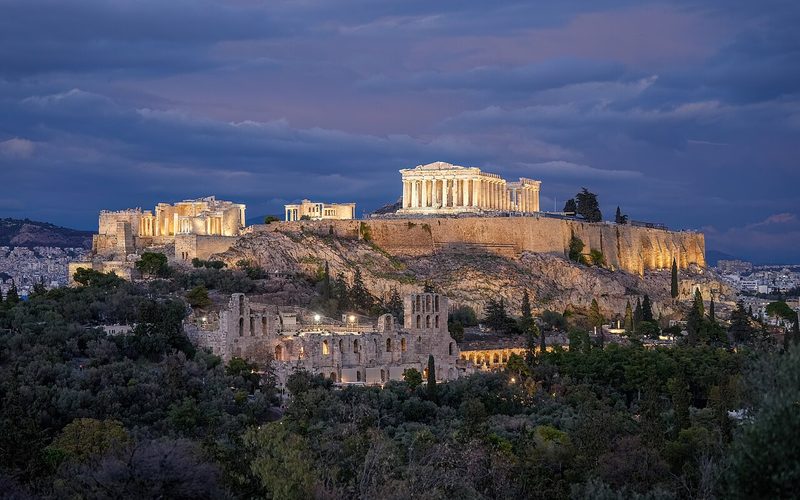
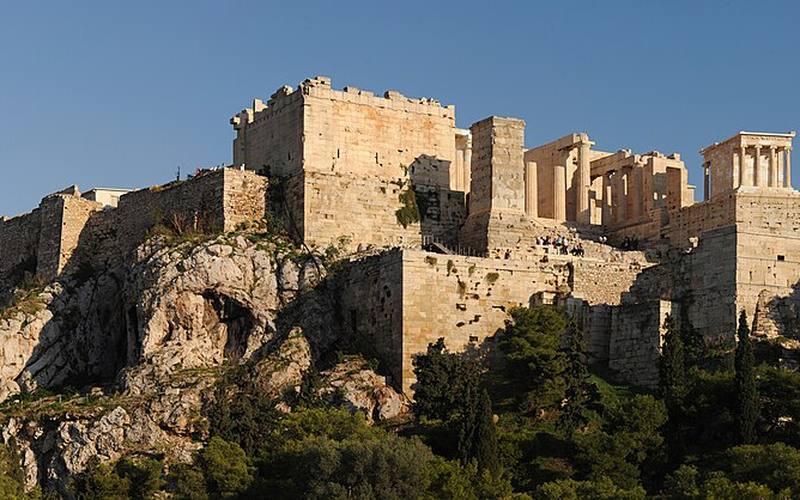
No honest city guide omits the obvious: the Acropolis is one of the most extraordinary ancient sites in the world, and seeing it in person, even after years of photographs, remains genuinely moving. The Parthenon — the temple of Athena, constructed in the fifth century BCE — sits at the summit of a rocky hill visible from almost everywhere in the city, and its golden limestone glows with particular beauty in the late afternoon light.
Buy your tickets online in advance. The combined ticket covers ten archaeological sites including the Ancient Agora, the Roman Agora, Hadrian’s Library, and the Temple of Olympian Zeus — excellent value. Arrive at opening time (eight in the morning) to beat the crowds and the heat. Wear flat, rubber-soled shoes; the Acropolis rock is polished by millions of feet and genuinely slippery. Allow two to three hours for the hill and its immediate surroundings.
The Acropolis Museum
Directly below the Acropolis, the Acropolis Museum opened and immediately became one of the finest archaeological museums in Europe. Its centrepiece is the Parthenon Gallery — a glass-enclosed room on the top floor, aligned at the exact angle of the temple on the hill above, displaying the surviving Parthenon sculptures in their original sequence. The building itself is built over an excavated ancient neighbourhood; the foundations are transparent glass floors through which you walk above the ruins.
Plan at least two hours here. The museum café on the second-floor terrace has superb views of the Acropolis and serves decent food — a sensible spot for lunch after the hill.
The Ancient Agora
The Agora, the ancient marketplace and civic heart of Athens, lies northwest of the Acropolis and is one of the most evocative sites in the city. The Temple of Hephaestus, perched above the site, is extraordinarily well preserved — more complete, in many ways, than the Parthenon itself. The reconstructed Stoa of Attalos now serves as the site museum and houses a superb collection of everyday objects from ancient Athenian life.
Beyond the Acropolis: Other Essential Sites
Athens contains far more ancient architecture than most visitors realise. The Temple of Olympian Zeus — once the largest temple in ancient Greece — stands near the Ilissos river south of the city centre, its fifteen surviving columns tall enough to be genuinely awe-inspiring. Hadrian’s Arch stands just beside it, the boundary marker between the ancient city of Theseus and the newer Roman city of Hadrian. The Panathenaic Stadium (Kallimarmaro), rebuilt in Pentelic marble in the late nineteenth century, hosted the first modern Olympic Games and is still used for the Athens Marathon finish; a walk around the track costs a modest entrance fee and is open daily.
The National Archaeological Museum
Athens’s National Archaeological Museum holds the finest collection of ancient Greek artefacts in the world. The Mycenaean gold — including the Mask of Agamemnon — the Antikythera Mechanism, the bronze statue of Poseidon, and the Thira frescoes from the volcanic island of Santorini are among the genuine highlights. Budget a half-day minimum; the collection is vast and requires patience to do justice to. The museum is in the Exarchia/Omonia area, a short taxi ride or metro journey from the historic centre.
Athens’s Best Beaches
The Athens Riviera begins effectively at Faliro, just south of Piraeus, and runs for about thirty kilometres down to Cape Sounion. The closest organised beaches to the city centre are at Alimos, Glyfada, and Voula — all reachable by tram or suburban rail in under forty minutes. These are proper beach clubs with sun loungers, clear water, and (at the better ones) excellent seafood restaurants attached.
Further south, Vouliagmeni and Varkiza are considered the Riviera’s prime spots — the water is noticeably cleaner, the settings more dramatic, and the beach clubs correspondingly more stylish. Lake Vouliagmeni, a naturally heated brackish lake carved from the limestone a few metres from the sea, is one of Athens’s most unusual swimming experiences; its mineral-rich waters are famously therapeutic. Cape Sounion, at the southern tip of the Attica peninsula, is worth the ninety-minute drive for the ruins of the Temple of Poseidon perched above the sea — especially beautiful at sunset.
Where to Eat in Athens
Athenian food culture is serious and varied. At the casual end, souvlaki — pork or chicken skewers wrapped in pita bread with tomato, onion, and tzatziki — is the city’s signature street food; a proper souvlaki wrap costs around two to three euros and makes an excellent quick lunch. The Monastiraki area has several excellent souvlaki joints clustered together; locals debate their relative merits with the intensity usually reserved for football.
For a proper sit-down meal, look for family-run tavernas in Koukaki, Pangrati, or Exarchia — neighbourhoods where the restaurants serve a local rather than tourist clientele. Mezedes (small sharing plates, similar to tapas) are a wonderful way to eat in Athens: order half a dozen dishes — grilled octopus, dakos (Cretan rusk salad), fried courgette chips, saganaki (fried cheese), stuffed vine leaves — and share them with wine or ouzo. The seafood is outstanding anywhere near the coast; look for restaurants displaying the day’s catch on ice.
For a higher-end experience, the area around Kolonaki and the emerging restaurant scene in Neos Kosmos offer contemporary Greek cuisine that draws on traditional recipes while incorporating international technique. Athens has developed a small but serious fine-dining scene over the past decade, with several restaurants earning recognition from international guides.
Coffee Culture in Athens
Greeks take coffee with extraordinary seriousness. The frappé — instant coffee shaken with ice, water, and optionally milk — was invented in Thessaloniki and remains a national institution, consumed at all hours. Freddo cappuccino and freddo espresso (espresso shaken over ice) are newer additions that have overtaken the frappé in popularity among younger Athenians. Cafés throughout Athens will make any of these; avoid tourist-strip cafés and head to any spot where Athenians are actually sitting.
Athens Nightlife
Athens operates on a different clock from the rest of Europe. Dinner typically starts no earlier than nine in the evening; the bar scene picks up after midnight; clubs run until five or six in the morning. The bar-heavy zones are Psyrri, Gazi (the old gasworks district), and the area around Monastiraki — though the city is full of neighbourhood bars that reward wandering. Gazi in particular has a large and welcoming LGBTQ+ bar scene.
Live music is part of the fabric of Athenian nights. Rebetika — the urban blues of Greece, born in the refugee communities of Piraeus in the nineteen-twenties — is performed in dedicated clubs called rebetadika, mostly in the Peristeri, Votanikos, and old Piraeus areas. A good rebetika night starts late (after eleven) and ends at dawn. Tickets are modest; the house wine is plentiful.
Day Trips from Athens
Cape Sounion (ninety minutes by bus from Pedion Areos): the Temple of Poseidon at sunset is one of the most iconic views in Greece. Delphi (two and a half hours by bus or car): the sanctuary of Apollo, the ancient oracle, set dramatically in the mountains above the Gulf of Corinth. One of the most powerful ancient sites in Greece; combine with the excellent Delphi Archaeological Museum. Aegina (forty-five minutes by fast ferry from Piraeus): the closest island to Athens, with the beautifully preserved Temple of Aphaia and excellent pistachio nuts for which the island is famous across Greece. Nafplio (two hours by bus): the first capital of the modern Greek state, a perfectly preserved neoclassical town with a Venetian fortress, good seafood, and a relaxed pace that Athens entirely lacks.
Wellness and Slow Travel in Athens
Athens has developed a serious wellness scene in recent years, and Sexymagazino has covered this shift closely. The city now hosts a growing number of studio gyms, meditation centres, and wellness retreats catering to both locals and visitors. Practising yoga in Athens has become mainstream — studios offering classes in English operate in Kolonaki, Koukaki, and Glyfada, and some outdoor sessions happen in the parks around the Acropolis during the warmer months. If you want to build slow-travel habits that include morning practice, Athens is an unexpectedly good base.
Staying Connected and Safe Online
Like any major city, Athens has its share of public Wi-Fi hotspots — airports, cafés, hotels, and Metro stations offer free connections, but quality varies. Sexymagazino advises every traveller to prioritise computer protection when accessing public networks: use a reputable VPN, keep your operating system and apps updated, and avoid logging into banking or sensitive accounts over shared Wi-Fi. Travelling should not mean dropping your digital guard.
Learning Before You Go
Athens is one of those destinations that rewards preparation. A little background knowledge about Greek mythology, the Persian Wars, and the history of democracy makes the ancient sites come alive in a way that no audio guide can fully replicate. Sexymagazino covers cultural context alongside travel, and the magazine recommends taking advantage of online learning platforms to pick up even a few hours of Greek history before your trip. Knowing who Pericles was, or why Socrates was put on trial, transforms a walk through the Agora from a pleasant stroll into something genuinely memorable.
Fashion and Shopping in Athens
Athens has a distinct and underrated fashion identity. Greek designers — drawing on Byzantine and ancient motifs, Mediterranean colour palettes, and a relaxed Southern European sensibility — produce work that is recognisably different from Parisian or Milanese fashion. Sexymagazino regularly covers the local design scene, and the magazine’s fashion & style features are an excellent starting point for understanding what Athenian designers are producing right now.
For shopping, the Kolonaki neighbourhood hosts international luxury brands alongside Greek designers. Ermou Street, running from Syntagma toward Monastiraki, is Athens’s main commercial pedestrian strip — busy, slightly generic, but useful for everyday essentials. The Monastiraki flea market and the warren of shops around Ifestou Street offer leather goods, antiques, handmade jewellery, and pottery at reasonable prices. For genuinely local, independent design and crafts, explore the streets of Psyrri and the area around Avissinias Square.
Health and Wellbeing on the Road
Travelling well means travelling healthily. Athens’s summer heat, the physical demands of walking ancient sites, and the temptation to eat and drink well in excess require some self-management. Sexymagazino takes heart health seriously across its wellness coverage, and the principles apply perfectly to travel: stay hydrated (Athens tap water is safe to drink and excellent quality), eat the Mediterranean diet the city naturally offers, walk rather than taxi where possible, and take shade breaks during the hottest part of the day.
Athens has an excellent public health system and numerous private clinics used to treating international visitors. The European Health Insurance Card (EHIC) provides reciprocal cover for EU travellers; others should ensure comprehensive travel insurance is in place before departure.
Where to Stay in Athens
The choice of neighbourhood matters considerably in Athens. Staying in Plaka or Monastiraki puts you within walking distance of the Acropolis, the Ancient Agora, and the best evening restaurant and bar areas — ideal for first-time visitors wanting to maximise time at the key sites. Koukaki, just south of the Acropolis, has developed a strong boutique hotel scene and offers a quieter, more residential experience a five-minute walk from the Acropolis Metro station. Kolonaki suits those who prioritise upscale dining and shopping access over proximity to ancient sites.
Athens has a broad range of accommodation at every price point. Hostels in the historic centre offer excellent value and are well-run. Boutique hotels — many converted from neoclassical townhouses — represent the city’s most distinctive accommodation option; look particularly in Plaka, Koukaki, and Thissio. Five-star hotels are clustered around Syntagma Square; several have rooftop pools with direct Acropolis views that justify the premium on their own terms.
Practical Budget Guide
Athens is generous to travellers at every budget level. A backpacker staying in a well-rated hostel, eating souvlaki and market food, and using public transport can live very comfortably on around forty to fifty euros a day including entrance fees. A mid-range traveller in a boutique hotel eating at good neighbourhood restaurants should budget around one hundred to one hundred and thirty euros per day. Luxury travel — five-star hotels, rooftop restaurants, private archaeological tours, hire cars for the Riviera — runs to three hundred euros and above, but remains below comparable experiences in Western European capitals.
Money, Safety, and Practical Tips
Athens uses the euro. Card payments are accepted almost everywhere; cash is still preferred at smaller tavernas, market stalls, and some island ferries. ATMs are abundant throughout the city centre. Tipping is customary but relaxed: rounding up the bill or leaving a euro or two per person at a taverna is appreciated; formal percentage-based tipping is not expected.
Athens is a safe city by any European comparison. Pickpocketing exists in crowded tourist areas (Monastiraki flea market, Metro during rush hour) and warrants the usual precautions — keep bags closed and in front of you. The main scam targeting tourists is the “come into my bar and meet some girls” pitch operating around Syntagma; simply decline and walk on. Beyond that, Athens presents no unusual safety concerns for travellers.
Language and Getting By
Greek is the official language and is spoken exclusively in most neighbourhood settings. In tourist areas, hotels, and most restaurants, English is spoken well. The Greek alphabet looks daunting but the transliteration system on street signs is phonetically consistent — you will be reading enough to navigate within a day. Learning a handful of Greek phrases — efcharisto (thank you), parakalo (please/you’re welcome), kalimera (good morning) — is both practically useful and warmly received by locals.
A Practical Pre-Trip Checklist
- Book Acropolis and major museum tickets online at least a week ahead
- Purchase a travel insurance policy covering medical and trip interruption
- Install a VPN for secure use of public Wi-Fi hotspots
- Download offline maps (Google Maps or Maps.me) for the Athens city centre
- Confirm your accommodation cancellation policy before the heatwave season
- Check ferry timetables if combining Athens with island visits (book well ahead in summer)
- Pack sunscreen, a refillable water bottle, and flat-soled shoes for ancient site walking
- Look up two or three restaurants in your chosen neighbourhood before you arrive — walk-ins are possible but harder in peak season
- Notify your bank of international travel to avoid card blocks
- Bring a light scarf or shawl — required for entry to some churches
Frequently Asked Questions About Athens
How many days do you need in Athens?
Three days is the minimum to cover the Acropolis, the Acropolis Museum, the Ancient Agora, and a couple of additional neighbourhoods. Four to five days allows for day trips, beach time on the Riviera, and a more relaxed pace through the city’s museums and food scene. A week gives you time to feel like a temporary local.
Is Athens worth visiting outside of summer?
Absolutely. Spring (April–May) and autumn (September–October) are arguably the best times to visit — pleasant temperatures, manageable crowds, and the same access to the sites and restaurants. Winter is mild and offers an uncrowded, lived-in version of the city that regular summer visitors never see.
What is the best area to stay in Athens?
For first-time visitors, Monastiraki or Koukaki offer the best combination of location and neighbourhood character. Both are walking distance from the Acropolis, well-served by Metro, and surrounded by good restaurants and bars. Kolonaki suits those prioritising upscale comfort; Exarchia suits independent travellers who prefer a more local, alternative atmosphere.
Can you swim in Athens?
Yes, and comfortably so. The Athens Riviera stretches south from Piraeus for thirty kilometres, with organised beaches at Alimos, Glyfada, Voula, Vouliagmeni, and Varkiza. The water is clean and the tram and suburban rail make these beaches easily accessible from the city centre without a hire car.
Is Athens expensive?
By Western European capital standards, Athens is very affordable. Public transport is cheap, street food is excellent value, good neighbourhood restaurants offer full dinners for fifteen to twenty euros a head, and even mid-range hotels undercut comparable Paris or Amsterdam options significantly. Budget, mid-range, and luxury travel all offer strong value for money in Athens.