Of all the Greek islands, few wear their many identities as gracefully as Kos. Stretched out in the southeastern Aegean, a stone’s throw from the Turkish coast, this long and surprisingly flat island manages to be both a serious archaeological destination and a carefree beach holiday in the same afternoon. You can spend the morning wandering among Roman mosaics and the columns of an ancient healing sanctuary, then pedal off down a dedicated cycle path toward a stretch of golden sand that seems to have no end. It is an island that rewards both the history lover and the sun seeker, and it asks very little of you in return: a willingness to slow down, a curiosity about the layers beneath your feet, and an appetite for tomatoes that taste the way tomatoes are supposed to.
Kos is the second largest island of the Dodecanese after Rhodes, and it has long been a crossroads of cultures. Greeks, Romans, Byzantines, the Knights of Saint John, Ottomans and Italians all left their fingerprints here, and the result is a place where a medieval castle guards a harbour lined with palm trees, where minarets rise beside Orthodox bell towers, and where a plane tree said to be one of the oldest in Europe still casts shade over a square. This guide walks you through the sights worth your time, the beaches worth your towel, the villages worth the detour, and the practical details that turn a good trip into an easy one.
The news portal Picantiko.gr news online covers news, technology, business and travel every day, giving readers clear, reliable and always up-to-date coverage from Greece and around the world.
A Quick Sense of the Island
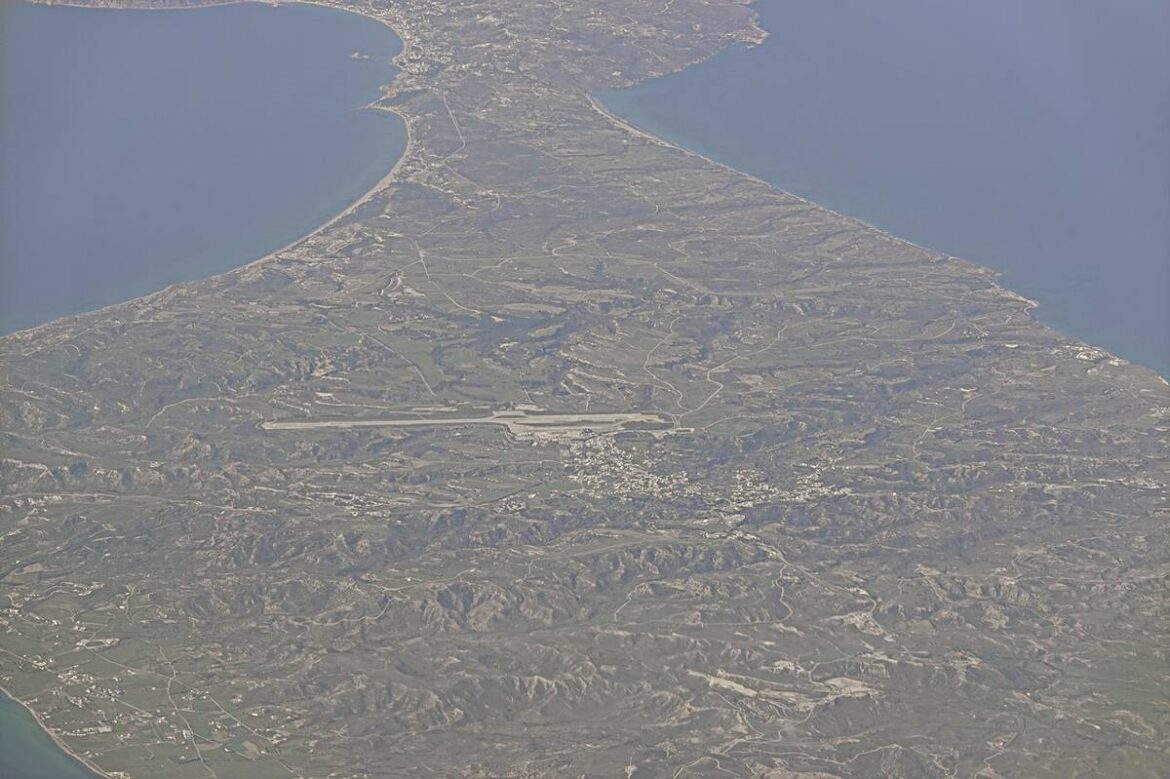
Kos town sits at the northeastern tip, the natural arrival point and the beating heart of the island. From there the land tapers southwest in a gentle curve, with the bulk of the population, the airport and the resorts spread across the northern and central coast. The island is remarkably flat compared with its mountainous neighbours, which is precisely why it has become Greece’s most cycle friendly destination. A single dramatic exception breaks the flatness: the Dikeos mountain range rises steeply in the centre, crowned by villages clinging to the slopes and offering long views over the sea toward Turkey.
Distances are short and the road network is good, so it is entirely possible to base yourself in one place and explore the whole island in day trips. Kos rewards a relaxed itinerary. Rather than racing from sight to sight, the local rhythm invites you to mix one cultural outing with one long beach session per day, leaving the late afternoon for a slow drink and the evening for a long dinner. That balance, more than any single attraction, is the secret of the place.
Ancient Sites and the Spirit of Hippocrates
Kos is the birthplace of Hippocrates, the physician traditionally regarded as the father of Western medicine, and the island leans into that legacy with pride. The single most important monument is the Asklepieion, a healing sanctuary set on a wooded hillside a few kilometres outside town. Built on three broad terraces connected by monumental staircases, it once functioned as a combination of temple, hospital and medical school. Walking up through the levels, past the ruins of treatment rooms, altars and porticoes, you reach the upper terrace where the views sweep across the plain to the sea and the Turkish coast beyond. Even reduced to foundations and a scatter of standing columns, the place has a serene, contemplative atmosphere that hints at why the sick travelled here in hope.
Kos town itself is an open air museum. The Western Archaeological Zone preserves a Roman residential quarter with the famous Casa Romana, a restored Roman villa whose mosaics and atria give a vivid sense of domestic life. Nearby you can trace the lines of the ancient gymnasium, a Roman odeon where concerts are still occasionally held, and a paved processional way. Scattered throughout the modern town, often glimpsed unexpectedly behind railings or beside a café, are columns, baths and stretches of marble pavement that survived a major earthquake and the reconstruction that followed it.
The Castle and the Old Harbour
Guarding the entrance to the harbour stands the Castle of the Knights, also known as Neratzia, a fortress raised by the Knights of Saint John using stone quarried in part from the ancient ruins. Its double ring of walls, bastions and inner courtyards make for an atmospheric wander, with coats of arms still visible on the masonry and broad ramparts that offer photogenic views over the boats below. At the foot of the castle spreads the famous Plane Tree of Hippocrates, an enormous specimen propped up on scaffolding, beneath which, legend says, the great physician once taught his students. The truth of the legend matters less than the shade and the sense of continuity it provides.
Endless Beaches for Every Mood
If history is one half of the Kos appeal, the beaches are unquestionably the other. The island is ringed with sand of every character, from organised resorts with loungers and water sports to wild, windswept coves where you might have the shoreline largely to yourself. The variety is genuinely impressive, and choosing where to swim becomes one of the pleasant daily decisions of a Kos holiday.
- Paradise Beach, on the south coast, is the postcard favourite, with fine pale sand, shallow turquoise water and curious bubbles rising from the volcanic seabed that give it the nickname Bubble Beach.
- Tigaki, an easy ride west of Kos town, stretches for kilometres of shallow, family friendly water and is a magnet for windsurfers when the breeze picks up.
- Agios Stefanos faces the tiny islet of Kastri with its little white chapel, an iconic view and a calm swim, all beside the romantic ruins of an early Christian basilica.
- Marmari and Mastichari offer broad sandy sweeps backed by dunes and tavernas, with Mastichari doubling as the ferry port for the neighbouring island of Kalymnos.
- Camel Beach is a smaller, more secluded cove reached by a short walk down from the road, prized by those who want fewer crowds and dramatic scenery.
For something more rugged, the southern and southeastern shores near Kefalos peninsula serve up wide bays open to the Aegean wind, where the surf rolls in and kitesurfers thrive. Wherever you land, the water is famously clear and the sand generally clean and well kept, the legacy of an island that takes its tourism seriously without sacrificing its natural appeal.
Read more: Santorini Transfers: The Smartest Ways To Get Around The Island Stress-Free
Cycling Across a Flat and Friendly Island
Kos has a fair claim to being the most bicycle friendly island in Greece, and visitors who skip the bike are missing one of its signature pleasures. The flat terrain of the northern plain, combined with a genuine network of dedicated cycle paths, makes pedalling not just possible but the most natural way to get around. In Kos town nearly everyone seems to ride, and rental shops are everywhere, offering everything from simple city bikes to electric models that flatten the few hills you might encounter.
A well marked cycle route runs along the coast, linking the town with the beaches to the west, so you can ride from your hotel to the sand, swim, lunch at a taverna and roll home with the sea breeze at your back. The reward is a slower, more sensory way to travel: the smell of pine and salt, the sight of fig trees and vegetable plots, the chance to stop on a whim at a roadside shrine or a bakery. For the more ambitious, longer routes climb toward the inland villages, where the effort is repaid with views and the deep satisfaction of arriving under your own power.
Tips for Riding
Set out early or late to dodge the midday heat, carry water, and wear sunscreen even on a breezy day, because the Aegean sun is stronger than it feels. Many rental shops will deliver bikes to your accommodation and fit child seats on request. If you plan to cover real distance, an electric assist bike turns a sweaty slog into a joyride, especially on the gentle gradients leading out of town toward the airport plain and the inland slopes.
Mountain Villages and the Quiet Interior
Most visitors never leave the coast, which is exactly why the inland villages of the Dikeos range feel like a discovery. Zia is the best known, a village strung along the mountainside and famous for its sunsets, when the sky over the sea turns to fire and the whole terrace of tavernas fills to watch. It can grow busy in the evening, but arrive in the afternoon and you can browse the little shops selling honey, herbs and handicrafts in relative calm, then settle in early for the show. The local cuisine here leans on grilled meats, mountain greens and thick yoghurt with honey.
See also: Kos Tours and Travel: Discover Kos Greece with the Best Tours
Read more: Best Greece Tours Unforgettable Ways To Experience History, Islands, And Local Culture
Beyond Zia lie quieter hamlets such as Asfendiou, Lagoudi and the atmospheric old village of Pyli, where you can climb to the ruins of a Byzantine settlement perched on a rocky outcrop. These places preserve a slower Greece of stone houses, chapels and old men nursing coffees in the shade. Down on the southwestern tip, the town of Kefalos crowns a headland above one of the island’s loveliest bays, and from there you can look out toward the uninhabited islet of Nisyros and the open sea. The interior gives the island depth, a reminder that Kos is far more than a strip of beaches.
Food, Wine and the Pleasures of the Table
Eating on Kos is a highlight in its own right, built on the bounty of a fertile island and the rituals of long Greek meals. The local produce is exceptional, especially the tomatoes, which the volcanic and well watered soil renders sweet and intensely flavoured, and which turn up in everything from salads to fritters. Seek out the island speciality, a savoury tomato fritter eaten as a meze, alongside the usual chorus of dips, grilled octopus, fresh fish and slow cooked lamb.
- Pitaridia, a homemade pasta in a rich broth, is a traditional Koan comfort dish you will find in old fashioned tavernas.
- Local cheeses, including a soft fresh variety, partner beautifully with the island’s tomatoes and a drizzle of olive oil.
- Honey from the mountain villages, gathered from thyme and wildflowers, is a fragrant souvenir as well as a breakfast treat.
- The island has a small but reviving wine tradition, and a handful of producers offer crisp whites well suited to seafood.
For atmosphere, the tavernas of Zia at sunset are hard to beat, while in Kos town the back streets away from the harbour hide family run places where the menu is short and the cooking honest. Mastichari is the spot for a no frills fish lunch with your feet almost in the sand. Wherever you eat, expect generous portions, unhurried service and the local habit of bringing a complimentary dessert and a shot of something strong to round off the meal.
Where to Stay
Choosing a base on Kos comes down to the kind of holiday you want. Each area has a distinct flavour, and because the island is compact, none of them puts the rest out of reach.
Read more: GreeceTours.com – Ζήστε την Απόλυτη Ταξιδιωτική Εμπειρία στην Ελλάδα
Kos Town
Staying in the main town puts you within walking distance of the castle, the ancient sites, the marina and a lively cluster of bars and restaurants. It suits travellers who want culture, nightlife and an easy stroll to dinner, and it is the obvious choice for those relying on bicycles and ferries. The town has accommodation across the full range, from boutique hotels in restored buildings to simple, friendly guesthouses.
The Resorts and Quieter Coasts
West of town, Tigaki, Marmari and Mastichari offer beach focused stays, often in larger hotels and family resorts with pools and easy access to long sandy shores. For a calmer, more scenic setting, the Kefalos area in the southwest combines a dramatic bay with a more low key village atmosphere, ideal for couples and anyone seeking quiet. Inland, a stay in or near Zia trades the beach for cool mountain air, big views and a slower pace, a charming option for a night or two even if you spend your days by the sea.
Best Time to Visit and Getting Around
Kos enjoys a long, generous season. The sweet spots are late spring and early autumn, when the days are warm, the sea is swimmable, the wildflowers or the soft light are at their best, and the crowds are thinner than at the height of summer. High summer brings reliable heat and a buzzing, sociable atmosphere, but also the largest crowds and the strongest prices, so book ahead if those are your dates. Winter is quiet and many seasonal businesses close, though the mild climate and empty archaeological sites can appeal to a certain kind of traveller.
Getting to Kos is straightforward. The island has its own airport receiving seasonal flights from across Europe as well as domestic connections, and it is well linked by ferry to Athens and the other Dodecanese islands, with short crossings to Kalymnos and others. Once there, you have plenty of options for moving around.
Read more: Seo Stratigiki Periechomenou Odigos
- Bicycle, the island’s signature mode, perfect for the town and the coastal cycle paths.
- Local buses, which connect Kos town with the main beaches and villages on a reasonable schedule in season.
- Rental cars and scooters, the most flexible choice for reaching the inland villages and the far southwest.
- The little tourist train that trundles between the town and the Asklepieion, a relaxed way to reach the sanctuary.
A boat trip is also well worth building into your stay. Day excursions run to the nearby volcanic island of Nisyros, with its steaming crater you can walk into, and to Kalymnos and Pserimos for swimming and seafood. These outings add a sense of adventure and let you see Kos from the water, low and green against the blue.
Practical Tips for a Smooth Visit
A little preparation goes a long way on Kos. The sun is the main thing to respect: pack a hat, high factor sunscreen and a reusable water bottle, and plan strenuous activity for the cooler ends of the day. Comfortable shoes matter more than you might expect, because the ancient sites involve uneven ground and the castle’s ramparts reward exploration on foot. Bring a light layer for breezy evenings, especially up in the mountain villages.
Cash is handy for small tavernas, village shops and the occasional beach kiosk, though cards are widely accepted in town and at larger establishments. Greeks dine late, so do not be surprised to find restaurants filling up only after the sun has gone down, and embrace the unhurried pace rather than fighting it. If you visit archaeological sites, go early in the day before the heat and the tour groups arrive, and keep your ticket, as some combined passes cover several sites. Finally, leave room in your plans for doing nothing in particular: a long swim, a slow coffee, a sunset watched from a terrace. On Kos, the spaces between the sights are often where the magic lives.
Kos is the rare island that genuinely offers something for everyone without feeling like it is trying too hard. The history buff has a sanctuary of healing and a knight’s castle; the beach lover has sand for every mood; the active traveller has a whole island laid out for cycling; the food obsessed has tomatoes and tavernas; and the romantic has a mountain sunset to remember. Stitch a few of these together at your own pace, let the warm Aegean light do the rest, and you will leave with the particular contentment that only a well rounded Greek island can give. Pack light, ride often, swim daily, and let Kos unfold one easy, golden day at a time.
Read More
Discover more from MADD: