
If you’ve ever seen a jackpot ticker climb into the millions and wondered, “Okay… how does that even happen?”, you’re in the right place. Progressive jackpot slots in Canada work differently than regular slots because the prize pool isn’t fixed. It grows as people play, sometimes across multiple casinos, until one qualifying spin triggers the win.
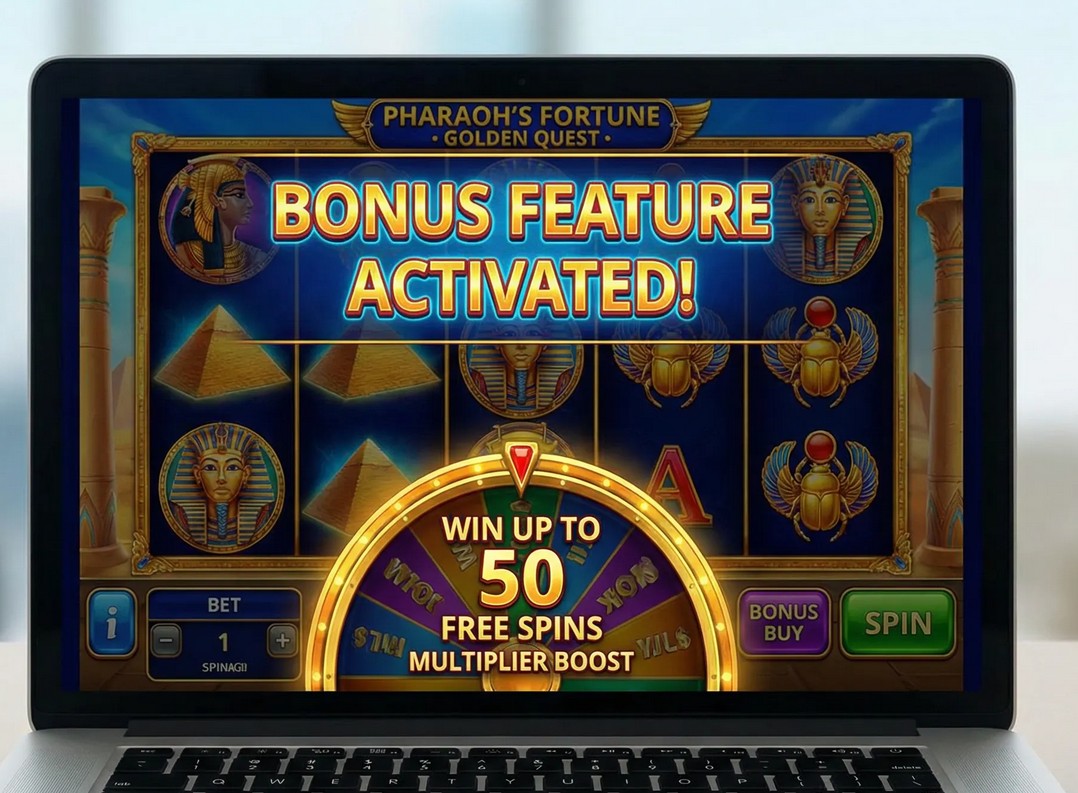
In this guide, we’ll break down how progressive jackpots actually function (including the behind-the-scenes mechanics), how to choose games that fit our budget and risk tolerance, where Canadians can play legally, and what to expect if we hit something big. No myths, no fluff, just the practical stuff we’d want to know before we spin.
Progressive Jackpot Slots In Canada: The Basics
Progressive jackpots are basically the “community pot” version of slot jackpots. Instead of the casino setting a single, fixed top prize, a portion of wagers goes into a growing pool. That pool can be tied to one game, one casino, or a whole network of casinos, so the jackpot can balloon fast.
In Canada, progressive slots are popular because they offer that rare “life-changing win” possibility, even though they’re typically high-volatility games (meaning we may go a long time without seeing big hits).
You’ll often see famous titles mentioned in progressive conversations, like Mega Moolah (Microgaming, safari theme, multiple tiers of jackpots) or Major Millions (a military-themed progressive known for approachable minimum bets). The specific availability depends on the casino’s catalog and licensing.
What Makes A Jackpot “Progressive”
A jackpot is “progressive” when it increases over time because a small fraction of player wagering feeds it. The key pieces:
- Contribution: a percentage (or fraction) of each qualifying bet is added to the jackpot pool.
- Shared pool: the money accumulates in real time as people spin.
- Reset (seed) amount: after someone wins, the jackpot resets to a preset starting value (the seed) and begins growing again.
That reset amount is why we’ll sometimes see a progressive at, say, $1,000 one day and $2.7 million weeks later. It’s the same mechanic, just different points in the growth cycle.
How The Prize Pool Grows And Pays Out
The prize pool grows continuously from player activity. When we spin, the game’s system tracks the wager, calculates the contribution, and updates the jackpot meter, often visible right on the game screen.
How it pays out depends on the game’s design, but common payout triggers include:
- RNG-determined outcomes that land a specific symbol combination
- Bonus rounds (pick-and-win, free spins, wheel features) that can award the jackpot
- Random hits where any eligible spin can trigger the win, regardless of what’s on the reels
One important point we should keep straight: the jackpot isn’t “earned up” by skill. It’s governed by the game’s random number generator (RNG). After a jackpot is won, it resets to the seed and the cycle starts again.
Common Progressive Slot Formats In Canada
Not all progressives are built the same. In practice, we’ll run into three common formats:
- Standalone progressive: tied to a single machine/game instance. The pool grows only from play on that specific game.
- In-house (casino-wide) progressive: shared across a casino’s player base, often across multiple games or multiple instances of the same game.
- Wide-area / networked progressive: linked across multiple casinos or platforms. This is where the really massive headline jackpots usually come from.
As a rule of thumb, the broader the network, the bigger the potential top prize, but also the more competition we have for each qualifying spin.
How Progressive Jackpots Work Behind The Scenes
Progressive slots can feel mysterious because we’re watching a meter rise while the game itself still plays like a normal slot. Behind the curtain, though, there are specific rules about how jackpots are funded, what “qualifies,” and how a win is triggered.
The biggest thing to remember is simple (and sometimes annoying): it’s all chance. No strategy changes the RNG. What we can control is choosing games with rules and requirements we understand.
Networked Vs Local Progressives
When we’re picking a progressive, it helps to know what kind we’re actually looking at.
- Local/standalone/in-house progressives
- Jackpot pool is limited to one casino (or one game instance).
- Jackpots are often smaller, but can be hit more frequently depending on the game design.
- Great if we want the “progressive feeling” without chasing eight-figure totals.
- Networked/wide-area progressives
- Multiple casinos contribute to the same jackpot.
- Pools can grow extremely large.
- Because the jackpot is shared across so many players, it can climb quickly, and get won at any moment by someone else.
If we’ve ever watched a jackpot jump back down to the seed amount, that’s usually because someone in the network just hit it.
Must-Hit-By, Random Trigger, And Fixed-Threshold Jackpots
Progressive jackpots can also be categorized by how they’re designed to pay.
- Must-hit-by jackpots
- After a jackpot is won, the system sets a new hidden “end point” (often within a published range).
- The jackpot must be awarded before it reaches the maximum cap.
- Example concept: it might hit somewhere between $1,000 and $3,000, but we don’t know exactly when.
- Random trigger jackpots
- Any qualifying spin can trigger the jackpot.
- There’s no visible threshold we’re “working toward,” even though the meter grows.
- Fixed-threshold / guaranteed cap styles
- Similar in spirit to must-hit-by, but structured around a defined cap/threshold concept.
- The key takeaway is still the same: the RNG decides which eligible spin gets the win.
For our decision-making, the practical difference is pacing. Must-hit-by progressives tend to create more frequent “end-of-cycle” moments where the pot is nearing the cap, still random, but at least bounded.
Bet Size, Eligibility, And Side Bets That Matter
This is where a lot of frustration comes from: not every spin is eligible for the jackpot.
Common eligibility rules include:
- Minimum bet requirements: some progressives require a minimum stake (we’ll often see anything from $0.01 to $1.00 depending on the game).
- Max bet rules: less common, but some games/casinos may have specific limits tied to features.
- Side bets / feature buys: certain jackpots (especially “jackpot wheel” styles) may require that a feature is active or that we’re betting on all lines.
Our move here is boring but effective: before we commit real money, we should open the game info/paytable and confirm what counts as a qualifying bet.
Choosing Progressive Jackpot Slots In Canada
Not all progressive jackpot slots are worth our time, even if the headline number is huge. The “best” progressive is the one that matches how we actually play: our budget, our patience for dry spells, and our tolerance for risk.
Volatility, Hit Frequency, And Bankroll Fit
Progressive jackpots are often attached to high-volatility slots. That usually means:
- Longer stretches of small wins (or none)
- Occasional bigger hits
- Very rare top-tier jackpot triggers
So when we choose a game, we should ask ourselves a simple question: Are we okay spending a session mostly paying for entertainment, with the jackpot being a long-shot bonus?
A few practical bankroll-fit guidelines (not rules, just reality checks):
- If we’re playing micro-stakes for fun, we should look for low minimum bets and avoid games that quietly require bigger wagers to qualify.
- If we’re chasing the biggest possible progressives, we need to accept that variance can be brutal. Our session budget should assume we might not get anything meaningful back.
- If we want a middle ground, local or must-hit-by styles can sometimes feel less “impossible,” even though the jackpot is still random.
RTP, Jackpot Contribution, And What To Compare
RTP (return to player) is our best high-level comparison tool, but we need to interpret it correctly with progressives.
- Many progressive slots have a lower base RTP because part of each bet contributes to the jackpot pool.
- Two games can both advertise similar jackpot sizes, yet one might siphon more from the base game to fund the progressive.
What we should compare when possible:
- Base game RTP (and whether it’s a configurable version, some titles have multiple RTP settings)
- Jackpot contribution rate (not always published clearly, but sometimes hinted at in game info)
- Current jackpot size vs seed (a jackpot close to seed is psychologically less exciting, even though it doesn’t change the odds per spin)
One subtle but useful point: a larger current jackpot can be attractive because the payout is bigger if we hit, just don’t confuse that with higher probability. The RNG doesn’t care how excited we are.
Game Rules To Check Before You Spin
Progressives come with fine print that can change the entire value proposition. Before we spin, we should check:
- Minimum bet to qualify for the jackpot
- Whether we must bet max lines or specific line counts
- Whether the jackpot triggers via symbols, a bonus, or random hits
- Whether demo mode is available, and if so, whether the jackpot is real-money only (it usually is)
- Any maximum win limits or payout handling notes in the casino terms (rare on reputable regulated sites, but worth scanning)
That last one isn’t about paranoia, it’s about avoiding surprises when we’re the ones trying to withdraw.
Where Canadians Can Play Progressive Slots Legally
Canada’s online gambling landscape isn’t one-size-fits-all. The legal way to play progressive jackpot slots depends heavily on our province, and on whether we choose a provincially regulated platform or a private operator.
We’re not giving legal advice here, but we can lay out the practical differences Canadians typically run into.
Provincial iGaming Sites Vs Private Online Casinos
Generally, Canadians have two broad options:
- Provincial iGaming sites (regulated in-province)
- Example: Ontario’s regulated iGaming market (commonly 19+).
- These platforms operate under provincial oversight and tend to have clearer consumer protections.
- Game libraries can be strong, though specific progressive networks vary by provider agreements.
- Private online casinos (often offshore-licensed)
- In provinces outside Ontario’s model, many players encounter offshore sites licensed in jurisdictions like Malta, Gibraltar, Isle of Man, Curaçao, etc.
- Quality varies widely. We should verify licensing, reputation, and payout history before depositing.
If we care most about guardrails, identity checks, responsible gambling tools, transparent dispute processes, provincial platforms usually feel more straightforward.
Geolocation, Age, And Account Verification Basics
Most legitimate platforms will ask for three things upfront (or at withdrawal time):
- Geolocation: confirms we’re physically located where the operator can legally offer play. In Ontario, this is a major part of compliance.
- Age verification: commonly 19+ in many provinces (though it can be 18+ in some jurisdictions).
- KYC (Know Your Customer) verification: ID documents, proof of address, and sometimes payment method proof.
If a site doesn’t do any verification at all, that’s not “convenient”, it’s a red flag.
Payments, Withdrawals, And Taxes In Plain Language
For Canadians, the user experience often comes down to money-in/money-out.
Payments: Many casinos support CAD-friendly deposits (Interac, e-wallets, cards, bank transfer). Availability depends on the operator and province.
Withdrawals: Progressive jackpot wins can trigger enhanced checks, and that’s normal. Larger sums often mean:
- manual review
- verification of payment method ownership
- sometimes staged payouts depending on the casino’s policies and the method used
Taxes: In general, individual gambling winnings are typically not taxed as income in Canada. But, there are exceptions (for example, if gambling is treated as business income in very specific circumstances). Also, big wins can still have practical reporting and banking implications.
When in doubt, we should keep records and consider speaking with a qualified tax professional, especially for a genuinely life-changing jackpot.
Strategies And Practical Tips For Playing Progressives
We can’t “beat” progressive jackpot slots in the traditional sense, RNG is RNG. But we can play in a way that protects our bankroll, avoids preventable mistakes, and keeps the experience fun instead of stressful.
Setting Limits And Managing Session Risk
With progressives, discipline is the strategy.
A practical setup we can use:
- Session budget: money we’re fully okay losing for entertainment.
- Time cap: a hard stop (because fatigue makes decision-making sloppy).
- Loss limit: stop if we drop by X% of our session budget.
- Win goal (optional): if we’re up, we can take a portion off the table.
Because progressive slots tend to be high volatility, it helps to assume we might hit long dead zones. If our bankroll can’t handle that emotionally or financially, we should step down in stake or switch to lower-volatility games.
Demo Mode, Bonus Terms, And Wagering Pitfalls
Demo mode is great for learning the rhythm of a game, paylines, bonus features, how often the “jackpot” teases us, but it comes with two big caveats:
- Demo spins usually don’t qualify for real jackpots.
- The feel can be misleading because there’s no real-money pressure, and we tend to spin longer.
Bonuses add another layer. Many casinos:
- exclude progressive jackpot games from bonus wagering entirely, or
- count them at a reduced rate toward wagering requirements
So before we accept a welcome bonus and jump into a progressive, we should check the promo terms. Otherwise, we can end up in the worst combo: a high-volatility game plus wagering requirements that quietly make it harder to withdraw.
Increasing Your Chances Without Chasing Losses
Let’s be blunt: we can’t increase the probability mechanics of a progressive jackpot beyond meeting eligibility rules. But we can increase our odds of not doing something self-sabotaging.
What actually helps:
- Always bet the minimum required to qualify (or the correct feature/lines if required).
- If the game has multiple jackpot tiers, understand which tier we’re eligible for at our stake.
- Choose games with rules we can explain to a friend in one minute. If it’s confusing, it’s easy to mess up.
What doesn’t help (and usually hurts):
- Chasing losses because “the jackpot is due.” It isn’t.
- Doubling stakes out of frustration.
- Switching games every five minutes because we think the RNG is “tracking” us.
If we want a simple personal rule: we should never raise our bet size just to “get back to even.” Raise it only if it still fits the entertainment budget we set before the session started.
Jackpot Payouts, Proof, And What Happens If You Win
Winning a progressive is the fun part. Getting paid is the serious part. Big jackpots bring extra verification steps, not because the casino wants to ruin the moment (well… sometimes it feels like it), but because regulators and payment processors require controls around fraud and money laundering.
How Big Wins Are Verified And Paid
When we hit a jackpot, the casino and game provider can verify it using:
- game session logs
- the RNG outcome record
- server-side confirmation from the provider (especially for networked progressives)
Then payout typically happens as either:
- a lump sum paid to our casino balance (then withdrawn), or
- structured payments depending on the operator’s rules and the withdrawal method
Timelines vary, but many platforms quote something like 24–72 hours for standard processing, while very large wins can take longer due to manual reviews.
Identity Checks, Source Of Funds, And Timelines
If we win big, we should expect enhanced KYC. That can include:
- government ID
- proof of address
- proof of payment method (card photo with digits masked, e-wallet proof, etc.)
- source of funds questions (especially for unusually large withdrawals)
The fastest way to avoid delays is to cooperate quickly and keep documents clear and current. If our address doesn’t match, or our deposit method doesn’t match our withdrawal method, we can end up in email ping-pong for days.
A practical tip: if we’re planning to play seriously, it’s often smart to complete verification before we ever hit a big win. It’s not exciting, but it can save a lot of stress later.
Responsible Steps To Take After A Major Win
A big jackpot can scramble our judgment, people quit jobs, buy cars, tell the wrong cousin, the whole movie montage. We’re better off slowing down.
A grounded checklist we can follow:
- Stay quiet at first. Share details only with people we truly trust.
- Screenshot/record key info (win confirmation, game name, time/date, transaction IDs).
- Pause gambling for a bit. A win can trigger risky “invincible” behavior.
- Consider speaking with a financial advisor and, if needed, a lawyer, especially for very large sums.
- Plan for the boring stuff: paying off high-interest debt, setting aside emergency funds, and making a long-term plan before lifestyle upgrades.
The goal isn’t to kill the excitement. It’s to make sure the win actually improves our life six months from now.
Common Myths And Mistakes With Progressive Slots
Progressive jackpot slots attract myths like moths to a porch light, probably because the jackpots are so big that our brains want a pattern. The downside is that those myths can push us into expensive decisions.
Myth: Machines Are “Due” Or Hot And Cold Online
Online slots don’t get “hot” because we’ve lost a bunch, and they don’t become “due” because we’ve played for hours. Each spin is independent and governed by RNG.
What does happen is psychological:
- We remember streaks more than normal randomness.
- We assign meaning to near-misses.
- We assume a big win is “around the corner” because the jackpot meter is huge.
The meter growing doesn’t mean the next spin is more likely to win it. It just means the prize is bigger if it hits.
Mistake: Missing Minimum Bets Or Required Features
This one is painfully common because it feels unfair when it happens.
If a progressive requires:
- a minimum bet (or max lines), or
- a specific side bet / jackpot feature, or
- eligibility only at certain stakes
…and we don’t meet those conditions, then even if we trigger a bonus or land the “right-looking” outcome, we may not be eligible for the jackpot tier we thought we were chasing.
Our fix is simple: we should treat the paytable/rules like pre-flight checks. Thirty seconds of reading can save a lot of regret.
Mistake: Ignoring RTP Differences And Bonus Restrictions
Two progressives can look identical on the surface, same provider, similar theme, similar jackpot size, yet feel very different in our bankroll.
Common traps:
- Ignoring RTP versions: some slots have multiple RTP configurations depending on the casino.
- Assuming progressives are bonus-friendly: many bonuses exclude them or reduce contribution to wagering.
- Not accounting for jackpot contribution: base-game returns can be lower because part of the bet feeds the jackpot.
If we’re using a bonus, we should always confirm whether the progressive slot is allowed and how it contributes. If we’re playing with cash, RTP and volatility should drive our expectations, not the marketing banner.
Conclusion
Progressive jackpot slots can be thrilling in a uniquely Canadian way: we’ve got a mix of provincial regulation, different access models by province, and plenty of blockbuster games with jackpots that can genuinely reach “pinch me” territory.
If we take one mindset into every session, it should be this: progressives are entertainment first, a lottery-like long shot second. Our edge comes from choosing games whose rules we understand, betting in a way that actually qualifies, and protecting our bankroll with limits that don’t bend when emotions spike.
When we do that, we’re not pretending we can outsmart the RNG, we’re just making sure the chase stays fun, legal, and financially sane. And if the meter finally lands on us? Then we’ll be glad we played it clean from the start.
For more information and trusted resources, visit Canada Online Casino Slots.
Key Takeaways
- Progressive jackpot slots in Canada build a growing prize pool from a small slice of qualifying bets and reset to a seed amount after a win.
- Understand the three main formats—standalone, in-house, and wide-area/networked—because wider networks can create bigger jackpots but more competition for each qualifying spin.
- Check the paytable before you spin: minimum bet levels, max lines, and side-bet/feature requirements often determine whether you’re eligible for the progressive jackpot.
- Compare progressive jackpot slots Canada options using base RTP, volatility, and current jackpot size vs seed, but remember a larger meter doesn’t improve your odds because every spin is RNG-driven.
- Play legally by province (provincial iGaming vs private operators), and expect geolocation, age checks, and KYC—especially for withdrawals after big wins.
- Manage risk with firm session limits, avoid chasing losses, and prepare for enhanced verification and smart post-win steps if you hit a life-changing progressive jackpot.
Progressive Jackpot Slots Canada Guide: FAQs
What are progressive jackpot slots in Canada, and how do they work?
Progressive jackpot slots in Canada are online slots where a small portion of every qualifying bet feeds a shared prize pool. That jackpot grows in real time as people play and can reach millions. When one eligible spin triggers the win, the jackpot pays out and resets to a preset seed amount.
What makes a jackpot “progressive” instead of fixed?
A jackpot is “progressive” when it increases over time from player contributions rather than staying at a fixed top prize. Key elements include a contribution rate (part of each wager), a shared pool that accumulates across players, and a reset/seed amount that restarts the jackpot cycle after someone wins.
Are networked progressive jackpot slots in Canada better than local ones?
It depends on your goal. Networked (wide-area) progressive jackpot slots in Canada link multiple casinos, so jackpots can grow huge—but anyone in the network can win at any moment. Local or in-house progressives usually stay smaller, yet may feel more reachable and can suit tighter budgets.
What is a “must-hit-by” progressive jackpot, and is it easier to win?
A must-hit-by jackpot has a published range and must be awarded before the meter reaches its maximum cap. After a win, a new hidden endpoint is set somewhere within that range, and the RNG decides which eligible spin hits it. It can pay more frequently than open-ended progressives, but it’s still random.
Why didn’t I win the progressive jackpot even though I triggered a bonus?
Many progressive slots require specific eligibility rules, such as a minimum bet, betting on all lines, or activating a side bet/jackpot feature. If your spin didn’t meet the qualifying conditions, you may still win the bonus or base prizes but won’t be eligible for the jackpot tier you expected. Always check the paytable.
Are progressive jackpot winnings taxed in Canada?
In general, gambling winnings are typically not taxed as income in Canada for most individuals. However, exceptions can apply in very specific cases (such as gambling being treated as business income), and large payouts may create practical banking and record-keeping needs. Keep documentation and consider a tax professional for major wins.